How a three lane night runs
What changes when all three show up
A night built by three businesses that already work as one crew does
not look like three vendors sharing a load in.
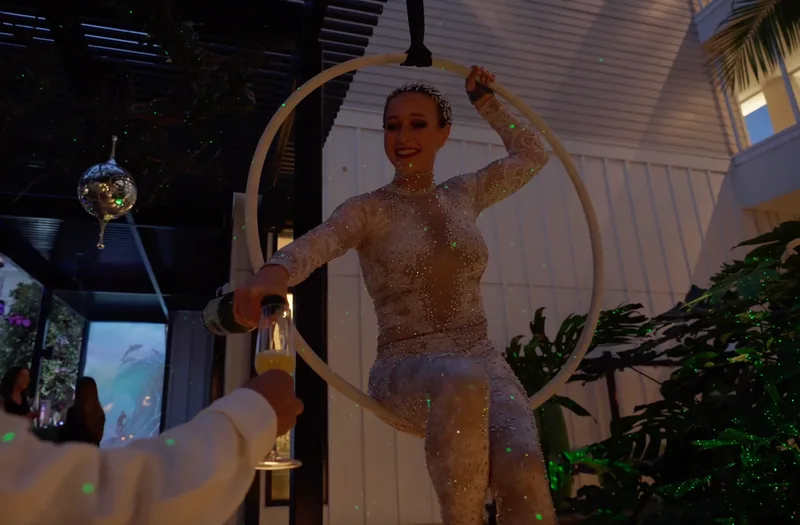
The site walk covers all three lanes at once. Where an aerial rig can
hang, where an art piece wants to sit, and where the light has to come
from become one set of decisions instead of three, made before
anything is specified.
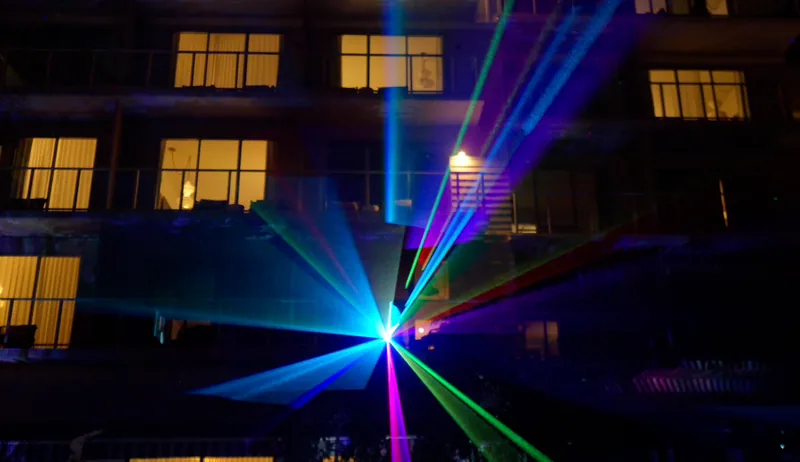
The lighting plot is then drawn around the rig points and the art
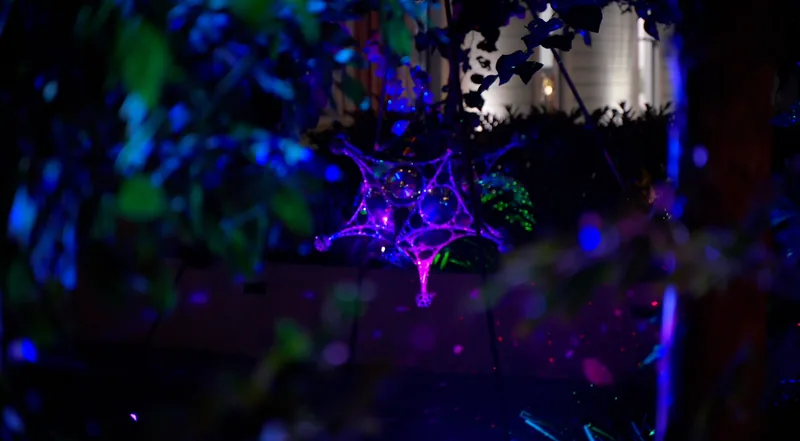
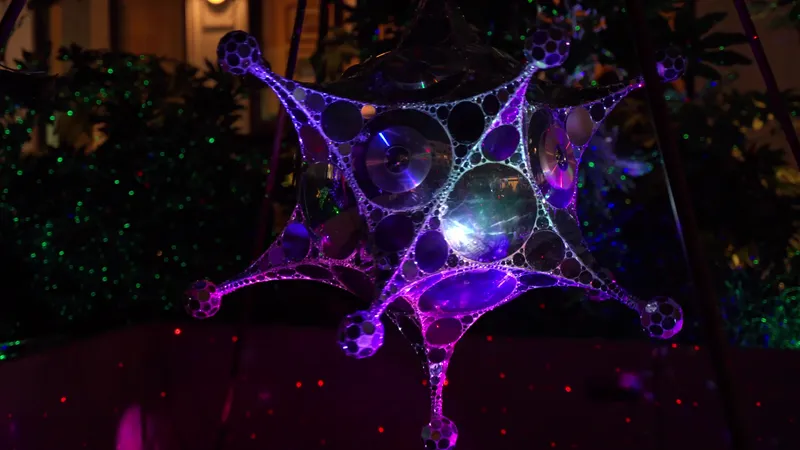
rather than after them. A mirrored piece gets lit as art instead of
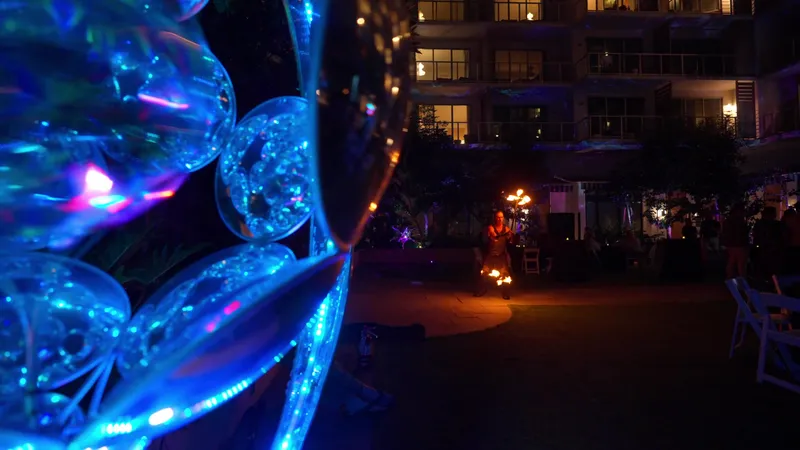
catching a wash by accident. A fire act closes on a lighting cue
instead of on a stopwatch. One production schedule covers load in,
show, and strike.
On paper it stays simple. Bliss contracts and Sutra contracts, and
Nathan’s art currently comes in through us. So a venue signs with at
most two companies, often one, and never has to assemble a production
out of three separate vendors.
We are still three businesses, and we are not a merged one. What makes
this different from a referral list is that each of us represents the
other two inside our own work. Sutra brings us into her events, we
bring her into ours, and Nathan’s pieces move through both.
- One site walk covering light, rigging, and art placement
- Lighting plot drawn around the rig points and the art
- Fire and aerial cued to the light, not to a stopwatch
- One production schedule for load in, show, and strike
- At most two agreements, often one